 Organic
 Halal
Halal Kosher
 Elemental Ingredients
 Free Shipping Over $30
Metabolic & Herbal Support
Black Seed: A Botanical Look at Metabolic Support
Reviewing the potential role of Nigella sativa in research on glycemic and lipid markers
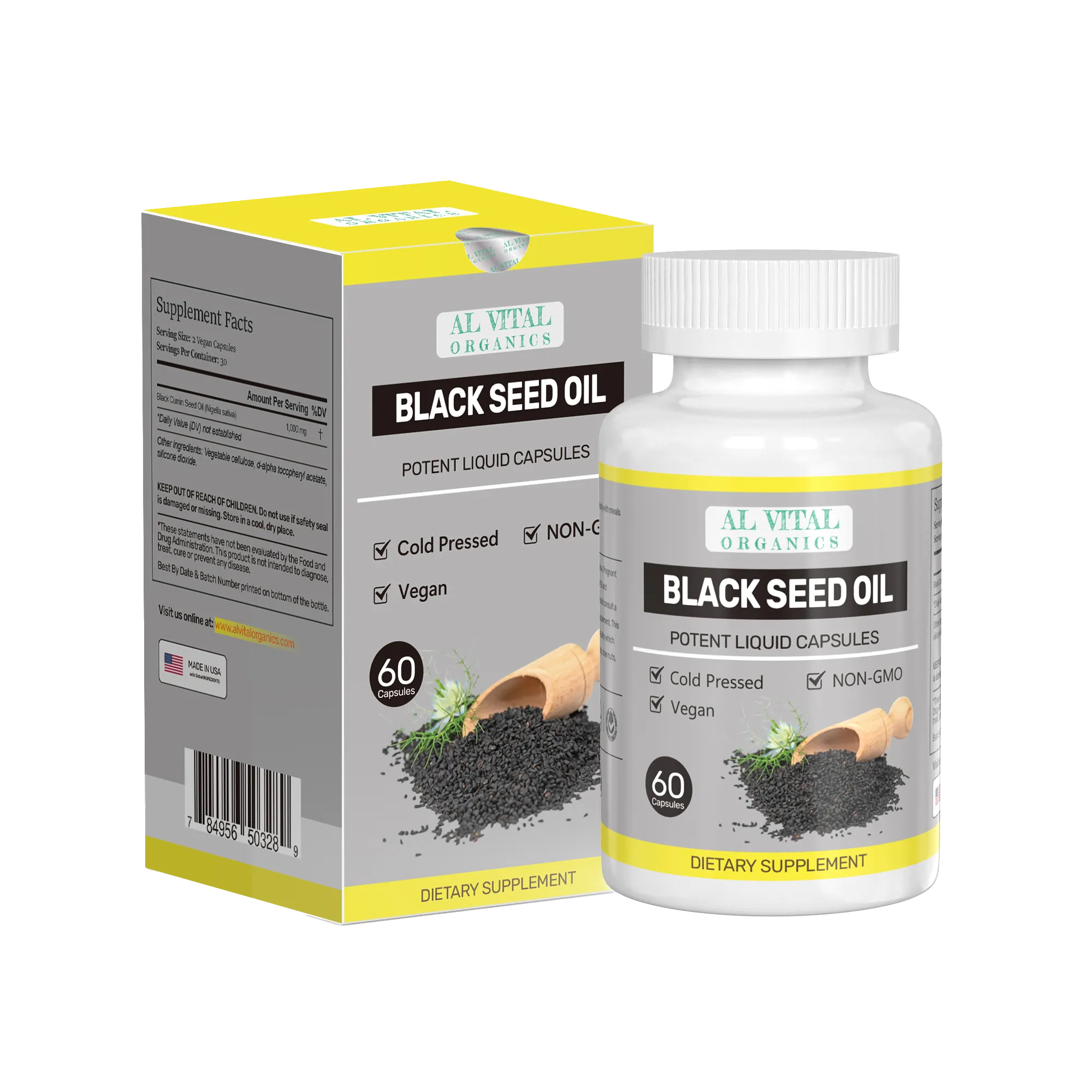
A 2025 systematic review and meta-analysis of 16 randomized controlled trials examined black seed (Nigella sativa L.) supplementation in adults with type 2 diabetes. Compared with placebo, the review reported favorable changes in fasting blood glucose, HbA1c, total cholesterol, and LDL cholesterol. The review did not find significant changes in body weight, BMI, insulin levels, or triglycerides. These findings make black seed an interesting botanical for research on cardiometabolic health markers, but the evidence should be understood as clinical research context, not as a replacement for medical care or prescribed treatment.
The strongest signal was seen for glycemic markers, with a moderate signal for selected lipid markers.
Quick Takeaways
A 2025 review analyzed 16 randomized controlled trials involving black seed supplementation.
Researchers reported favorable changes in fasting blood glucose, HbA1c, total cholesterol, and LDL cholesterol compared with placebo.
The review did not report significant changes in body weight, BMI, insulin levels, or triglycerides.
Key Findings
Favorable change in fasting blood glucose markers
Improvement in HbA1c levels across reviewed trials
Reported reductions in total cholesterol and LDL cholesterol
The Scientific Support
In the world of traditional wellness, few botanicals have received as much scientific attention as black seed (Nigella sativa L.). Often referred to as black cumin or kalonji, this tiny seed has been used in herbal traditions for centuries. A 2025 systematic review and meta-analysis compiled data from 16 randomized controlled trials to better understand how black seed has been studied in relation to cardiometabolic health markers.
The researchers evaluated specific markers, including fasting blood glucose, HbA1c, total cholesterol, LDL cholesterol, body weight, BMI, insulin, and triglycerides. Across the reviewed trials, black seed supplementation was associated with favorable changes in fasting blood glucose and HbA1c compared with placebo.
What the Review Found
The review also reported favorable changes in total cholesterol and LDL cholesterol, often referred to as bad cholesterol. These findings make black seed a noteworthy botanical in the research conversation around metabolic wellness, especially when looking at selected glycemic and lipid markers.
It is important to keep the findings in context. The review did not observe significant changes in body weight, BMI, insulin levels, or triglycerides. That means black seed should not be presented as a quick fix or a substitute for a complete care plan.
Making It Practical
If you are considering black seed as part of your daily wellness routine, think of it as a complementary botanical rather than a standalone solution. Quality, consistency, and professional guidance matter, especially for anyone managing a health condition or taking medication.
Black seed remains a fascinating example of how traditional botanical use and modern research can intersect. The best takeaway is measured and practical: the evidence is promising for selected markers, but it still belongs inside a broader lifestyle and healthcare context.
What This Research Does Not Prove
The research does not prove that black seed is a standalone treatment for metabolic disease, nor does it guarantee weight loss or improvements in all lipid markers such as triglycerides. It also does not prove that every black seed product will match the preparations used in the reviewed studies.
Study Source
Effects of black seed (Nigella sativa L.) on cardiometabolic indices in type 2 diabetic patients: A systematic review and meta-analysis of RCTs
- Authors
- Mehdi Karimi, et al.
- Year
- 2025
- Journal
- Complementary Therapies in Medicine
- Study Type
- Systematic review and meta-analysis of 16 randomized controlled trials
- DOI
- 10.1016/j.ctim.2025.103174
- Limitation
- Findings are specific to studies involving adults with type 2 diabetes; results may not apply to other populations or to every black seed extract, oil, or preparation.
Safety Notes
Always consult a physician before using black seed, particularly if you are taking blood-sugar-lowering medication or medication for cholesterol or blood pressure, as botanicals may influence how a care plan should be monitored.