 Organic
 Halal
Halal Kosher
 Elemental Ingredients
 Free Shipping Over $30
Research
What to Look for in Sea Moss Supplements: A Label-Reading Guide
How to compare sea moss supplements by format, Supplement Facts, and ingredient lists without relying on hype.
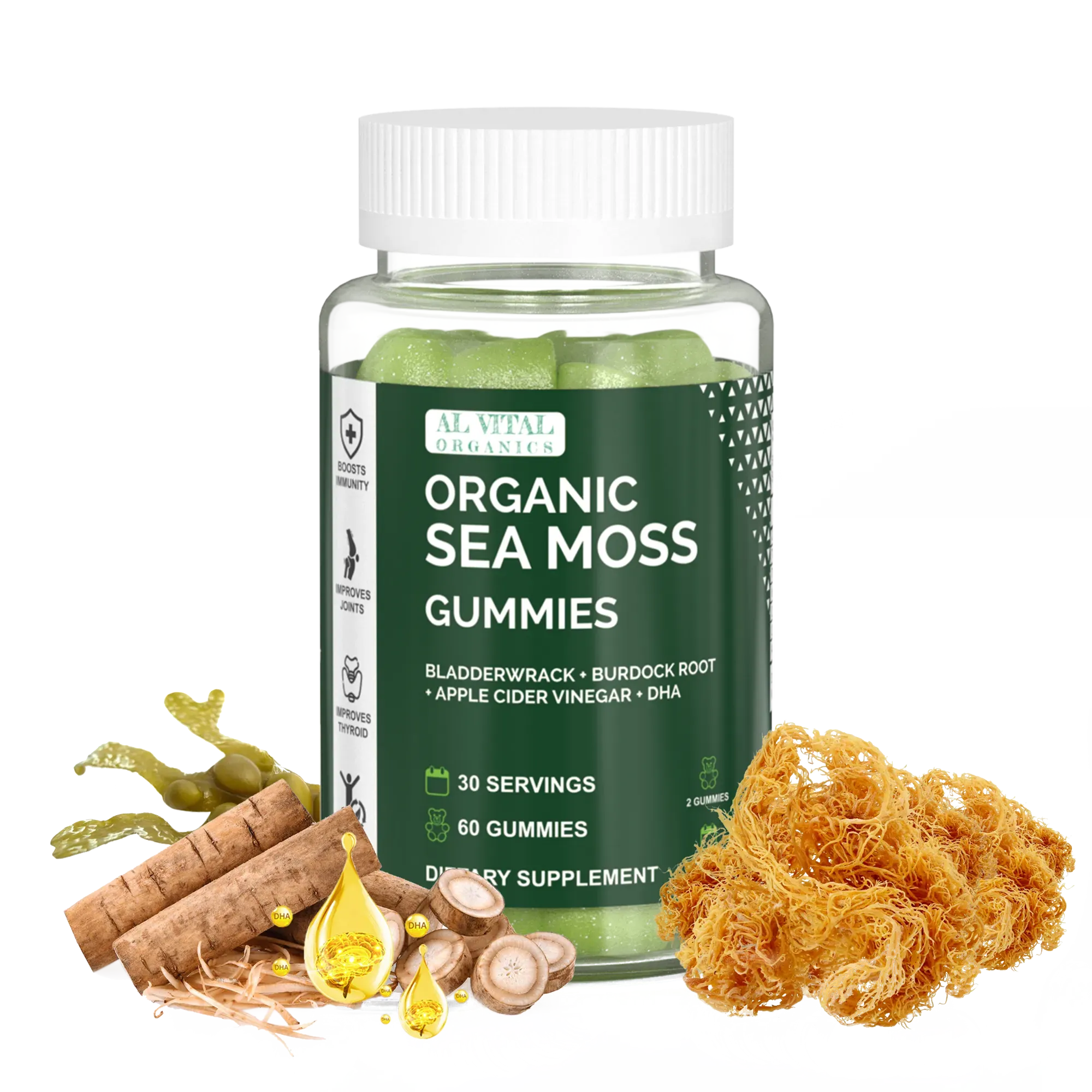
Sea moss supplements come as gummies, capsules, and liquid drops. The most reliable way to compare them is by reading Supplement Facts, the ingredient list, serving information, and required FDA labeling statements, then choosing a format you can use consistently and safely.
Evidence strength depends on the quality and relevance of the cited sources.
Quick Takeaways
Start with the label: compare serving size, amount per serving, and the ingredient list, not front-label claims.
Choose a format (gummy, capsule, liquid drops) based on ingredients you tolerate and how you prefer to take supplements.
Look for required statements and realistic structure/function language, and remember supplements are not intended to diagnose, treat, cure, or prevent disease.
Key Findings
The Supplement Facts panel and ingredient list are the most practical tools for comparing sea moss supplements across formats.
Format tradeoffs are usually about added ingredients (like sweeteners, flavors, or capsule materials) and personal preference, not guaranteed superiority.
Dietary supplements are regulated as foods and cannot be marketed to diagnose, treat, cure, or prevent disease; labels should reflect that.
Research Notes
Sea moss supplements are sold in several convenient forms, most commonly gummies, capsules, and liquid drops. Because products can vary widely in what they contain and how they are labeled, a label-reading approach helps you compare options without relying on hype.
This guide focuses on how to evaluate sea moss supplements using the Supplement Facts panel, ingredient list, and common label language. It does not make medical claims or promise outcomes.
Start with the Supplement Facts panel
When you compare sea moss supplements, begin where the most standardized information lives: the Supplement Facts panel.
Look for:
Serving size and servings per container: This helps you understand how long the bottle lasts and what the manufacturer considers a single serving.
Amount per serving for sea moss (or sea moss-derived ingredient): Some labels list sea moss as a whole ingredient; others list an extract or blend. If the product uses a blend, the label may not break down each component amount.
Other nutrients listed: Some formulas include added vitamins or minerals. If they are present, they should appear in Supplement Facts.
Tip: Comparing gummies to capsules to liquids is easiest when you compare the amount per serving as listed on the label and keep the serving size in mind.
Read the ingredient list for the full formula
The ingredient list shows everything in the product besides what appears as nutrients in Supplement Facts. This is where format differences often show up.
Common things to check:
Sweeteners and flavors: Gummies often include sweeteners, flavors, and acids for taste and texture. If you prefer fewer flavoring ingredients, a capsule or liquid may be simpler.
Gelling agents and textures: Gummies typically use gelling ingredients (often pectin or gelatin) plus coating agents.
Capsule materials: Capsules list the capsule shell and may include flow agents. If you avoid certain capsule materials, the ingredient list is where you verify.
Oils, glycerin, or carriers: Liquid drops may use carriers to keep ingredients mixed and pourable.
If you have dietary restrictions or sensitivities, the ingredient list is often more important than marketing phrases on the front of the bottle.
Understand sea moss formats: gummies vs capsules vs liquid drops
No single format is universally best. The right choice is usually the one that fits your routine and ingredients preferences.
### Sea moss gummies
Gummies can be the easiest to take consistently for people who dislike pills. The tradeoff is often a longer ingredient list due to taste and texture needs.
Helpful label checks:
Total sugars and added sweeteners (if listed)
Flavoring, coloring, and acids used for taste
Serving size (sometimes multiple gummies per serving)
If you are exploring options like AlVital Organics sea moss gummies, use the same approach: read Supplement Facts first, then verify the ingredient list aligns with your preferences.
### Sea moss capsules
Capsules can be a simpler format with fewer taste-related ingredients. They can also be easier to compare across brands because the serving is often 1-2 capsules.
Helpful label checks:
The exact sea moss ingredient name (whole sea moss vs extract vs blend)
Any added ingredients such as flow agents
Capsule material listed in the ingredients
For products like sea moss capsules, your best comparison tool is still the label: amount per serving, serving size, and the full ingredient list.
### Sea moss liquid drops
Liquid drops can be convenient for people who prefer not to chew gummies or swallow capsules. Liquids often include carriers and flavoring to improve the experience.
Helpful label checks:
Serving size (drops, mL, or a measured amount)
Carriers (such as glycerin or water) and any flavoring
Storage instructions after opening
If you consider a product like sea moss liquid drops, prioritize label clarity: clear serving size and a straightforward ingredient list can make comparison easier.
Know the difference between marketing claims and permitted supplement statements
Supplement labels may include structure/function statements that describe how a nutrient or ingredient supports normal body structure or function. However, supplements cannot be marketed as products that diagnose, treat, cure, or prevent disease.
Practical steps:
Prefer specific, measurable label information (Supplement Facts and ingredient list) over vague front-label language.
Look for the required FDA disclaimer statement on structure/function claims.
Be cautious with absolute language (for example, promises of guaranteed results). Realistic labels focus on general support, not medical outcomes.
What else to look for on the label
Beyond ingredients and serving information, a few label elements can help you evaluate professionalism and usability:
Contact information: The label typically provides a way to reach the company.
Directions for use: Follow the product label and consult a qualified healthcare professional when appropriate.
Storage instructions: Especially relevant for liquids or gummies.
Allergen statements (when present): Useful for people with sensitivities.
A simple comparison checklist for sea moss supplements
Use this quick checklist when comparing options in-store or online:
1. Find Supplement Facts and note the serving size.
2. Identify the sea moss ingredient and the amount per serving (if listed).
3. Scan for blends and note that individual ingredient amounts may not be shown.
4. Read the full ingredient list for sweeteners, flavors, capsule materials, or carriers.
5. Check for required labeling statements and avoid disease claims.
6. Choose the format you are most likely to use consistently and comfortably.
Bottom line
Sea moss supplements vary more by formulation and labeling clarity than by format alone. Whether you prefer sea moss gummies, capsules, or liquid drops, the most reliable comparison method is the same: use the Supplement Facts panel and the ingredient list to make an informed decision and keep expectations realistic.
What This Research Does Not Prove
Label-reading can help you compare sea moss supplements, but it does not prove which product will work best for any individual or that any sea moss supplement will deliver specific health outcomes. These sources do not establish that sea moss supplements diagnose, treat, cure, or prevent any disease, and they do not rank gummies, capsules, or liquids as clinically superior.
Study Source
FDA Dietary Supplement Labeling Guide
- Authors
- Not listed
- Year
- 2026
- Journal
- Not listed
- Study Type
- Required dietary supplement label elements (Supplement Facts, ingredient list conventions, and labeling rules including appropriate claims and disclaimers).
- DOI
- https://www.fda.gov/food/dietary-supplements-guidance-documents-regulatory-information/dietary-supplement-labeling-guide
- Limitation
- Source context should be reviewed before making product-specific claims.
Safety Notes
Dietary supplements are not a substitute for a varied diet. If you are pregnant or nursing, take medications, have a medical condition, or are planning surgery, consult a qualified healthcare professional before using dietary supplements. Stop use and seek medical advice if you experience an unexpected reaction. Keep supplements out of reach of children and follow label storage instructions.