 Organic
 Halal
Halal Kosher
 Elemental Ingredients
 Free Shipping Over $30
Metabolic Research
Berberine Benefits: What Does the Research Actually Say?
A plain-English look at glucose metabolism, blood lipids, body composition, bioavailability, and safety research.
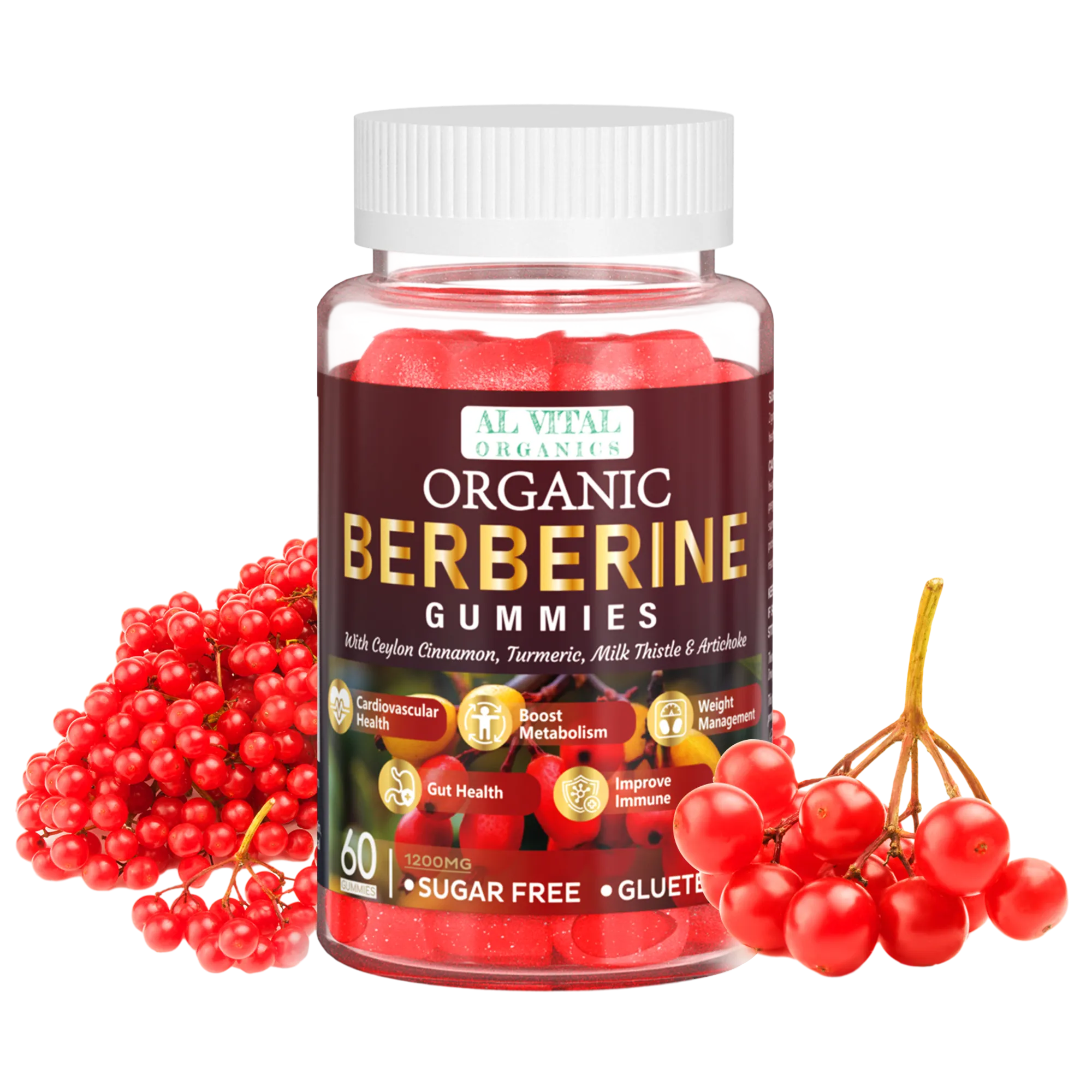
Berberine is a plant-derived alkaloid with a comparatively large body of human research, especially around glucose metabolism, insulin-related markers, blood lipids, body composition, and pharmacokinetics. The evidence is interesting, but it varies by study population, formulation, dose, duration, and study quality, so findings should not be treated as proof that every finished berberine supplement produces the same outcomes.
Berberine has more human research than many botanical ingredients, but certainty varies by outcome, formulation, and trial quality.
Quick Takeaways
Berberine has been studied in randomized trials, systematic reviews, meta-analyses, and pharmacokinetic research.
Research most often focuses on glucose-related markers, insulin-related markers, blood lipids, body measurements, gut metabolism, and bioavailability.
Berberine should not be presented as a treatment for diabetes, high cholesterol, obesity, fatty liver disease, or any medical condition.
Key Findings
Systematic reviews report measurable changes in several glucose-, insulin-, and lipid-related markers, but study quality and consistency vary.
Berberine is repeatedly described in pharmacokinetic literature as having very low oral bioavailability, commonly estimated below 1%.
Medication-interaction research points to possible relevance for CYP enzymes and drug transport systems, making professional guidance important for people taking medications.
What Is Berberine?
Berberine is a yellow-colored plant alkaloid naturally found in several plants, including Berberis vulgaris, Berberis aristata, Coptis chinensis, and Hydrastis canadensis.
It has a long history in traditional botanical preparations, but modern interest is driven by laboratory and clinical research examining how berberine interacts with metabolic pathways.
Research findings about berberine should not automatically be interpreted as claims about what a particular supplement will do. Formulation, dose, bioavailability, study population, duration, and other variables can substantially affect outcomes.
Glucose and Insulin-Related Research
Glucose metabolism is one of the most studied areas involving berberine. A 2023 systematic review and meta-analysis evaluated 20 randomized trials involving 1,761 participants and examined fasting glucose, HbA1c, fasting insulin, HOMA-IR, and post-meal glucose measurements.
Across the included trials, researchers reported statistically significant changes in several glucose- and insulin-related measurements compared with controls. They also noted subgroup differences and areas that require replication.
This means glucose metabolism has been studied. It does not mean a dietary supplement should be described as treating diabetes, controlling blood sugar, or replacing medication.
Blood Lipid Research
Blood lipids are another major area of berberine research. Meta-analyses have evaluated LDL cholesterol, triglycerides, apolipoprotein B, HDL cholesterol, and total cholesterol.
Several analyses report modest average changes in lipid markers, but the details matter: trials vary in design, populations, dose, duration, and quality. Some reviews also note heterogeneity and the need for larger long-term studies.
The careful takeaway is that berberine has been studied in relation to lipid markers. It should not be simplified into a guaranteed cholesterol solution.
Body Composition and Weight Research
Berberine is often discussed online in connection with weight management, but this topic needs careful interpretation.
A 2026 systematic review and meta-analysis of randomized controlled trials reported measurable average changes in body weight, BMI, and waist circumference, while waist-to-hip ratio was not significantly reduced.
Other individual trials have reported neutral findings for body weight or metabolic markers. A statistically significant pooled result does not mean every trial, every formulation, or every individual will show the same outcome.
Why Bioavailability Matters
One of the unusual things about berberine is its pharmacokinetics. Reviews commonly describe oral berberine as having very low bioavailability, often estimated below 1%.
Several factors appear to contribute, including poor intestinal absorption, limited solubility, P-glycoprotein efflux, intestinal metabolism, and first-pass liver metabolism.
Researchers are studying phospholipid complexes, salts, nanoparticles, structural derivatives, and dihydroberberine to better understand how different forms change absorption. This is why studies using different berberine formulations should not be treated as interchangeable.
Gut and Microbiome Research
Because unchanged berberine is poorly absorbed, researchers are also studying whether some activity occurs in the gastrointestinal tract.
Current research examines interactions involving intestinal microorganisms, bile-acid metabolism, microbial metabolites, intestinal signaling pathways, and berberine metabolites.
This remains an evolving research area. Mechanistic observations should not automatically become consumer claims such as saying a finished supplement supports the microbiome unless that specific product has evidence for that claim.
Safety and Medication Interactions
Short-term trials generally report that berberine is tolerated by many participants, but gastrointestinal side effects have been documented, including constipation, diarrhea, nausea, and abdominal discomfort.
Long-term safety is less extensively characterized than short-term use. Berberine has also been studied for interactions with drug-metabolizing enzymes and transport systems.
A 2024 review identified CYP2D6 and CYP3A4 as especially relevant enzyme systems. This does not mean an interaction will occur in every person, but it is a strong reason for people taking medication to speak with a qualified healthcare professional before using berberine.
How Strong Is the Evidence?
Berberine has more human clinical research than many botanical dietary ingredients. That said, recurring limitations appear across the literature.
Common limitations include small trials, short study durations, differences between formulations, geographic concentration of research, risk-of-bias concerns, incomplete reporting, and limited long-term outcome data.
A practical conclusion is that berberine is an extensively researched botanical compound with measurable biological activity, while the clinical evidence still varies by outcome, population, formulation, and study quality.
Frequently Asked Questions
What is berberine?
Berberine is a naturally occurring plant alkaloid found in species including barberry and Chinese goldthread.
What are berberine benefits?
Researchers have investigated berberine in relation to glucose metabolism, insulin-related measurements, blood lipids, body composition, gut metabolism, and other biological pathways.
Has berberine been studied for blood sugar?
Yes. Trials and meta-analyses have measured fasting glucose, post-meal glucose, HbA1c, insulin, and insulin-resistance-related markers, but this does not make berberine a diabetes treatment.
Has berberine been studied for cholesterol?
Yes. Studies have measured LDL cholesterol, HDL cholesterol, triglycerides, total cholesterol, and apolipoproteins, but study quality and consistency vary.
Has berberine been studied for weight loss?
Researchers have examined body weight, BMI, waist circumference, body fat, and related measures, but results are not uniform across studies.
Why does berberine have low bioavailability?
Research points to poor intestinal absorption, low solubility, P-glycoprotein transport, and extensive intestinal and hepatic metabolism.
Are all berberine supplements the same?
No. Studies have used berberine hydrochloride, phospholipid complexes, botanical preparations, derivatives, and combination formulas, which may not behave the same way.
Can berberine interact with medications?
Potentially. Research suggests berberine may affect CYP enzymes and drug transport systems, so people taking medication should ask a qualified healthcare professional before use.
Bottom Line
Berberine is a plant-derived alkaloid with a comparatively large body of scientific research. Human studies have examined glucose-related biomarkers, insulin-related biomarkers, blood lipids, body composition, gastrointestinal metabolism, pharmacokinetics, and cellular metabolic pathways.
The most accurate summary is measured: berberine is an extensively researched botanical compound with measurable biological activity, but the clinical evidence varies by outcome, population, formulation, and study quality.
What This Research Does Not Prove
This research does not prove that berberine supplements treat diabetes, high cholesterol, obesity, fatty liver disease, metabolic syndrome, or any other medical condition. It also does not prove that every berberine product has the same absorption, dose exposure, safety profile, or effect as the formulations used in published studies.
Study Source
Berberine and health outcomes: an overview of systematic reviews
- Authors
- Lanjun Shi, Wenya Wang, Chengyang Jing, Jing Hu, Xing Liao
- Year
- 2025
- Journal
- BMC Complementary Medicine and Therapies
- Study Type
- Overview of 54 systematic reviews across multiple berberine research areas.
- DOI
- 10.1186/s12906-025-04872-4
- Limitation
- The overview found a substantial research base but also reported methodological limitations, review overlap, and varied evidence certainty across outcomes.
Safety Notes
Berberine may cause gastrointestinal effects such as constipation, diarrhea, nausea, or abdominal discomfort in some people. Because berberine has been studied for interactions with drug-metabolizing enzymes and transport systems, anyone taking prescription medication, managing a medical condition, pregnant or nursing, or planning surgery should consult a qualified healthcare professional before use.